How Much Do Dental Crowns Cost in CT?
Tooth Cap Replacement Cost
Dental crowns in Connecticut typically cost $1,000 to $2,000 per tooth, though prices can range from $800 to $2,500 or more depending on the crown material, tooth being treated, and treatment needed. Your final tooth cap replacement cost may also be affected by additional dental procedures that are needed before the crown is placed, such as treatment for gum disease or a root canal.
Tooth Crown Cost With Insurance
The total tooth crown cost with insurance depends on your plan’s coverage, deductible, and annual maximum. Many dental insurance plans provide coverage for crowns when medically necessary, reducing your out-of-pocket cost. Your dental office can review your benefits and provide an estimate of your expected portion before treatment begins.
Tooth Crown Cost Without Insurance
Without dental insurance, patients generally pay the full cost of a dental crown out of pocket. A typical tooth crown cost without insurance ranges from $1,000 to $2,000 in Connecticut, with the final price varying based on the crown material, tooth being treated, and any additional procedures required. Asking for a treatment estimate before your procedure can help you understand your total expected cost.
The type of crown you choose can significantly impact the overall cost. Porcelain crowns are a popular option for their natural appearance, but several materials are available, each with different price ranges and benefits. Below, we explain porcelain crown costs, how prices vary by material, and what you can expect to pay for a tooth crown with or without insurance.
How Much Does a Porcelain Crown Cost?
Porcelain crowns generally cost between $800 and $3,000 per tooth, with many patients paying around $1,300 to $1,500 without insurance. Your exact cost depends on the dentist’s experience, your location, the tooth being treated, and the crown material (such as all-ceramic, zirconia, or porcelain-fused-to-metal). Understanding payment options and financing can help make high-quality crowns more affordable for patients with budget constraints.
If you have dental insurance, it often covers about 50% of the crown cost when the procedure is medically necessary. That commonly leaves an out-of-pocket cost of about $400 to $600, depending on your plan and deductible. Many practices accept dental insurance and offer payment plans to help patients maximize their insurance benefits while managing their out-of-pocket expenses.
Porcelain Crown Cost by Material Type (Typical Ranges)
- All-ceramic porcelain crown: $800 to $3,000 per tooth (premium, tooth-colored ceramic restoration)
- Zirconia crown: $1,000 to $2,500 per tooth (advanced, sturdy, biocompatible material)
- Porcelain-fused-to-metal (PFM) crown: $800 to $2,500 per tooth (traditional option combining strength and aesthetics)
- Gold or metal crown: $800 to $2,500 per tooth (resilient back tooth crown or molar crown option)
- Resin crown: $600 to $1,500 per tooth
What Makes Porcelain Crown Prices Go Up or Down?
Porcelain crown pricing varies most based on:
- Prep work needed (old crown removal, buildup, gum treatment, or root canal care) and crown preparation complexity
- The tooth location (front teeth often need higher aesthetics) – incisor crowns, canine crowns, and premolar crowns require different aesthetic considerations than molar crowns
- Lab and technology fees (materials, milling, and custom shading) – modern digital technology and dental laboratory fabrication costs
- Dentist experience and local overhead – including years of experience, advanced training, and dentist qualifications
- Your insurance benefits (deductible, annual maximum, and coverage category)
Porcelain Crown Cost in Connecticut
In Connecticut, many patients see porcelain crown pricing cluster around the mid-range, but the best way to estimate your total is a dental exam, a treatment plan, and an insurance check, so you know your expected out-of-pocket cost before you start. If you are looking for an experienced dentist near you, our established practice offers consultation appointments to evaluate your needs, discuss the best material options, and provide clear pricing information to help you make an informed decision.
What Is a Dental Crown?
Dental crowns are custom-made teeth caps that restore the functionality and appearance of damaged or weakened teeth. They are ideal for teeth that have undergone significant decay, fractures, or wear. These tooth restorations provide decay coverage, fracture repair, and wear protection while improving bite correction and smile enhancement. Porcelain crowns, in particular, are designed to match the natural color and shape of your teeth, providing a seamless and aesthetically pleasing result. These durable restorations are used to enhance both the strength and appearance of your smile, offering long-lasting protection and a natural look. The process involves carefully fitting the crown to your tooth, ensuring a comfortable and precise result. The crown procedure involves carefully fitting the crown to your tooth, ensuring a comfortable and precise result with a proper fit guarantee and easy maintenance. Whether you’re dealing with a fractured tooth or seeking cosmetic improvement, dental crowns offer a reliable and effective solution. Crown benefits include a confidence boost, gum health protection, and stain resistance, making them an excellent choice for both cosmetic crowns and restorative crowns.
Recovery
For dental crowns, treatment time and recovery time are typically minimal, with most patients experiencing a manageable pain level during the crown procedure.
Will Insurance Help Cover a Crown in Connecticut?
Many dental insurance plans cover crowns when they are medically necessary. Coverage often depends on your plan details, your deductible, and your annual maximum. Before treatment, we can review your benefits and provide a clear estimate, so you know what your expected out-of-pocket cost may be. Our team helps patients with insurance maximization strategies to get the most from their coverage.
Get a Personalized Crown Estimate in Stratford, CT
Everyone’s teeth are different, and the only way to definitively answer “How much do crowns cost in CT?” is to first schedule an exam so Dr. Gretzula can examine, diagnose, and consult with you to recommend the best course of treatment for you. In cases where a root canal is needed before a crown, it’s important to understand the root canal cost in CT as part of your overall treatment. When it is deemed that a crown is medically necessary for your oral health, your dental insurance should cover the costs of teeth cap prices. Contact our office today to learn more about the cost of dental crowns in Stratford, CT. We welcome new patients and offer flexible scheduling with convenient location access and appointment availability to meet your needs.
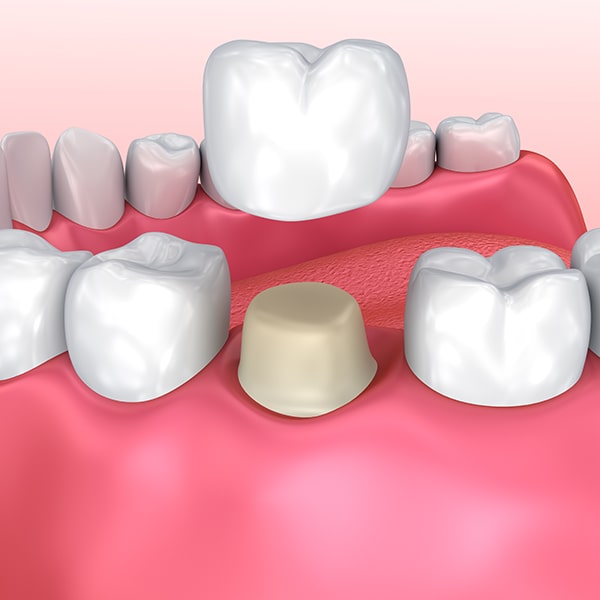

Depending on the amount of decay or damage, the tooth might not be salvageable, in which case a dental implant might be the better option for tooth replacement.
There are advantages to either treatment course; the cost of implants CT … Click to open this link in the same window … is more expensive than a crown, but they typically last longer than crowns. Understanding crown vs implant options and crown durability helps patients make informed decisions about crown longevity and long-term value.

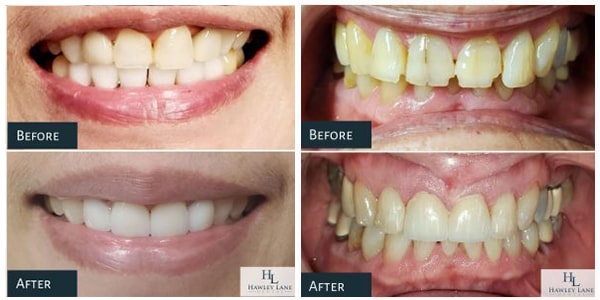
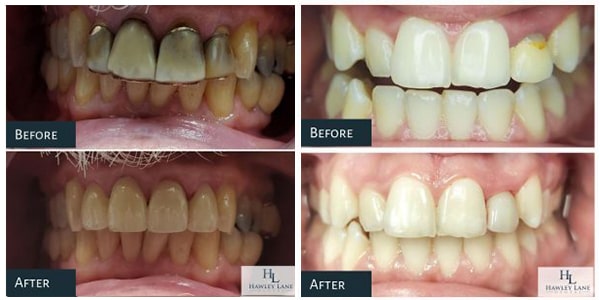
Before and After Results for Porcelain Dental Crowns
A porcelain dental crown is a great option for dentist tooth repair, especially when you need to fix a broken tooth and restore your smile. The results of a porcelain crown can be quite dramatic and beautiful, especially porcelain crowns for the front teeth. Patient testimonials and case studies demonstrate the smile transformation and confidence boost that quality crowns deliver. These before-and-after pictures of some of our porcelain crown patients help to show how effective dental crowns can be. Our satisfaction guarantee ensures you receive the best value and quality expectations you deserve.

Precautions for Temporary Crowns
What you need to know.
Porcelain bridges may mimic natural tooth esthetics very nicely, because the Temporary dental crowns are made of acrylic or a similar material. They are placed to protect the prepared tooth and prevent the bite from changing while waiting for the permanent crown. Here are some guidelines to help keep your temporary crown in place:
Some people may experience tooth sensitivity, especially to temperature. Be sure to call your dentist should the temporary crown come off. Emergency availability and emergency crown repair services ensure you receive prompt care when needed, with urgent dental care near you.
Dental Crowns FAQ
Dr. Gretzula shares her knowledge.
-
How Are Crowns Placed?
First visit — The dentist will usually administer a local anesthetic (Novocain) and shape the existing tooth that is to support the crown. A mold (impression) is made of the prepared tooth as well as the adjacent and opposing teeth. Modern practices may use digital technology for impression accuracy and precision. This ensures that the crown will fit the other teeth properly. A temporary crown will be placed over the prepared tooth until the permanent one is ready. The dental laboratory or crown lab will then fabricate your custom crown to exact specifications.
Second visit — The dentist may administer local anesthetic. The dentist removes the temporary crown and cleans the tooth. The fit and color are checked, and an X-ray … Click to open this link in the same window … may be taken to ensure the fit between the teeth and below the gum is correct. The dentist will bond and attach the crown securely, ensuring proper crown maintenance for years to come. The crown is then cemented with durable, long-lasting cement. The new crown may feel strange at first, or the tooth may feel slightly sensitive. These feelings should subside within a week after the mouth adapts to the new crown.
-
How Long Does a Crown Last?
The life expectancy of a crown is 5-15 years, depending on several factors. Crown durability and crown longevity depend on proper care and crown maintenance practices. Crowns may need to be replaced for a number of reasons, such as chipping the crown, wear on the crown or decay around the crown. Remember to care for the crown the way you’d care for the rest of the teeth. Crowned teeth are still prone to gum disease … Click to open this link in the same window … and decay and should be brushed and flossed daily.
-
Monday - 9:00am–5:00pm
-
Tuesday - 8:00am–5:00pm
-
Wednesday - 8:00am–5:00pm
-
Thursday - 8:00am–5:00pm
-
Friday - 8:00am–5:00pm