What Kills Gum Disease Bacteria?
How to Get Rid of Gum Disease
Killing gum disease bacteria protects the foundation of your smile and enhances your overall health. According to the Centers for Disease Control and Prevention (CDC), nearly half of adults aged 30 and older in the United States have some form of periodontal disease.
If you are dealing with bleeding gums, inflammation, or deep periodontal pockets, you are likely wondering exactly what kills gum disease bacteria. This article explores the proven professional treatments and at-home remedies that effectively target and destroy the bacteria responsible for gum disease.
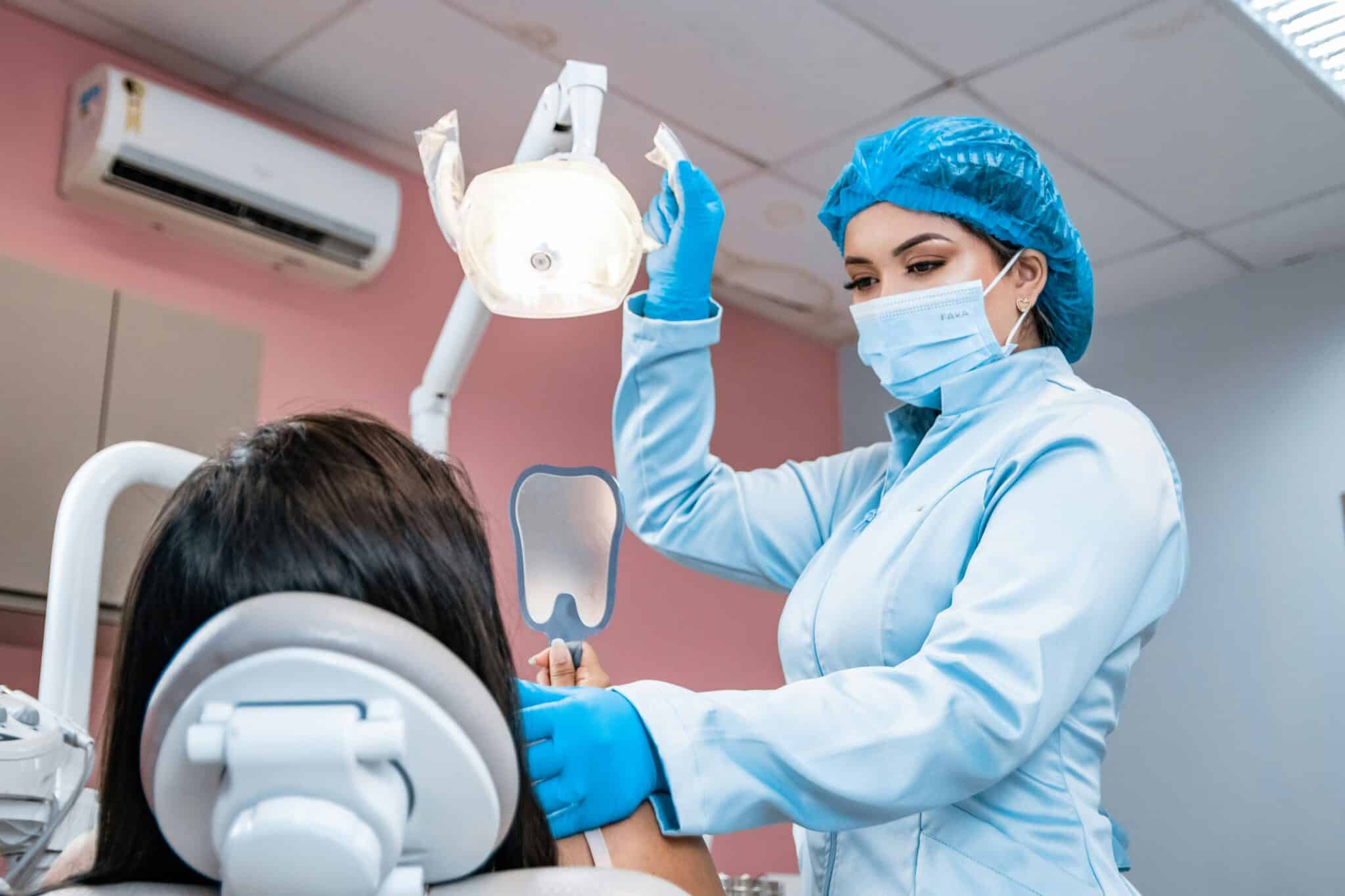

Understanding the Enemy: Anaerobic Bacteria
To understand how to get rid of gum disease, you have to know what you are fighting. The bacteria predominantly responsible for periodontal disease are anaerobic bacteria. This means they thrive in environments with little to no oxygen, such as the deep pockets that form between your teeth and gums when they become infected.
When these bacteria grow unchecked, they release toxins that provoke an immune response, leading to chronic inflammation, redness, and bleeding in the gum tissue. Because these bacteria hide in dark, oxygen-deprived crevices, standard brushing and flossing are often not enough to eradicate them once an infection takes hold.
Professional Treatments That Kill Gum Disease Bacteria
When gum disease advances beyond mild gingivitis, professional intervention is required to physically remove and kill the bacteria. Dentists rely on a few highly effective methods:
Scaling and Root Planing (Deep Cleaning)
The “gold standard” for treating gum disease is a professional deep cleaning known as scaling and root planing. During the scaling phase, a dental professional removes plaque and hardened tartar from both above and below the gumline, reaching deep into the periodontal pockets where the bacteria hide.
Next, root planing is performed to smooth the rough surfaces of the tooth roots. This makes it much harder for bacteria to reattach to the tooth and provides a clean surface that encourages the gum tissue to heal and tighten back around the teeth.
Antibiotics and Antimicrobial Treatments
Sometimes, physical removal isn’t enough to kill all the bacteria. In these cases, dentists may use targeted antimicrobial therapies:
- Localized Antibiotics: Dentists can place antibiotic medications directly into the periodontal pockets after a deep cleaning to kill any remaining bacteria.
- Chlorine Dioxide Treatments: Chlorine dioxide is a highly selective oxidant used in certain dental mouthrinses to neutralize volatile sulfur compounds and kill oral bacteria. Some dental offices offer specialized treatments that utilize this gas to penetrate the gums safely.
At-Home Remedies: Oxygenating the Pockets
“Because the bacteria that cause gum disease despise oxygen, oxygenating agents like hydrogen peroxide are highly effective at neutralizing them.”
Hydrogen peroxide is a powerful tool in the fight against gum disease. It works by releasing oxygen gas, creating an oxygen-rich environment where anaerobic bacteria simply cannot survive. Furthermore, hydrogen peroxide causes rapid oxidative damage that breaks down the bacterial cell walls, leading to cell death.
To safely use this method at home, dentists often recommend over-the-counter mouthwashes that contain diluted hydrogen peroxide, typically around a 1.5% to 3% concentration. These rinses, such as Colgate Peroxyl, can be used daily to help manage bacterial levels. However, patients should never swish with high concentrations of straight peroxide, as it can burn and damage oral tissue.
Comparing Bacteria-Killing Methods
| Treatment Method | How It Kills/Removes Bacteria | Administered By |
| Scaling and Root Planing | Physically scrapes bacteria and tartar from below the gumline and smooths roots. | Dental Professional |
| Localized Antibiotics | Medication placed into gum pockets to destroy remaining bacterial cells. | Dental Professional |
| Hydrogen Peroxide Rinses | Releases oxygen and causes oxidative damage to anaerobic bacteria cell walls. | At-Home (Patient) |
Starving the Bacteria: What You Shouldn’t Eat
While knowing what kills gum disease bacteria is crucial, it is equally important to know what keeps them alive. The bacteria in your mouth feed heavily on sugars and simple carbohydrates to produce acidic byproducts.
When you consume sugary foods or drinks, you are directly feeding the infection. The bacteria consume the sugar and produce acids that irritate the gums and erode tooth enamel. To give your treatments the best chance of working, cutting back on sugar is a necessary step in starving the bacteria.

Conclusion
Defeating gum disease requires a multi-faceted approach. By combining professional deep cleanings to physically remove the bacteria, utilizing oxygenating agents like hydrogen peroxide to destroy their cell walls, and reducing your sugar intake to starve them out, you can effectively kill gum disease bacteria and restore your oral health. Always consult your dentist to develop a personalized treatment plan for your specific stage of gum disease.
-
Monday - 9:00am–5:00pm
-
Tuesday - 8:00am–5:00pm
-
Wednesday - 8:00am–5:00pm
-
Thursday - 8:00am–5:00pm
-
Friday - 8:00am–5:00pm