Gold vs. Porcelain Dental Crowns: Which One Is Best?

Gold dental crowns are known for exceptional durability and longevity, while porcelain dental crowns are designed to match the appearance of natural teeth. When it comes to restoring a severely damaged tooth, choosing between a gold and porcelain dental crown is a significant decision.
While porcelain crowns are highly sought after for their natural, tooth-like appearance, gold crowns remain the “gold standard” in dentistry for their unmatched durability and biocompatibility. Ultimately, whether you choose gold vs. porcelain dental crowns will depend on the tooth’s location, your aesthetic preferences, and your long-term oral health goals.
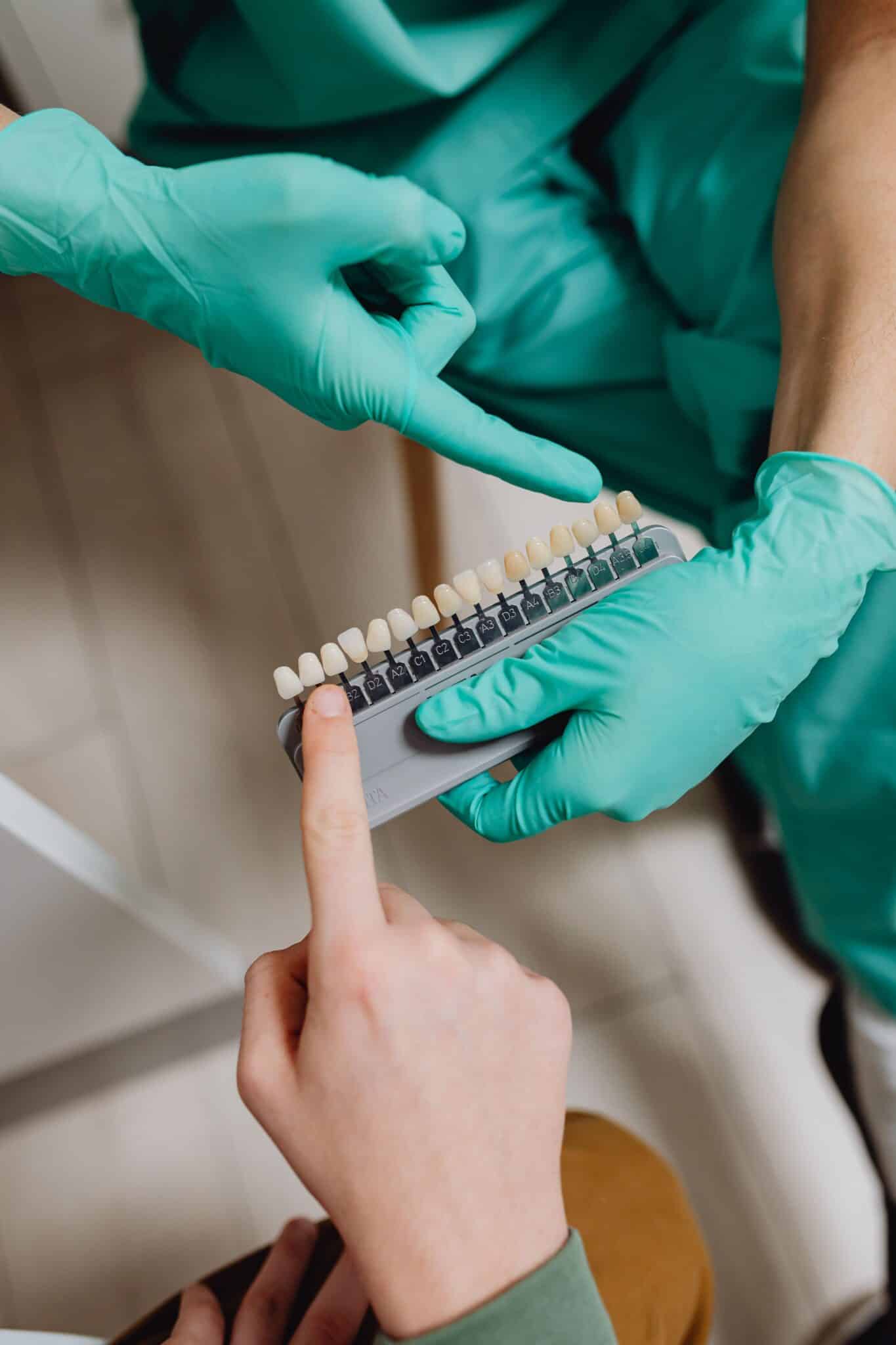
‘‘The biggest pro to porcelain is the cosmetics. It looks like your teeth. But gold is the gold standard, especially for the last molars in your mouth.
The Aesthetic Appeal of Porcelain Crowns
Porcelain crowns are the most popular choice for visible teeth because they can be precisely color-matched to blend seamlessly with your natural smile. For front teeth, the cosmetic benefits of porcelain are virtually impossible to beat.
However, while they are beautiful, porcelain crowns generally have an average lifespan of 10 to 15 years. Because ceramic materials are inherently more brittle than metal, they are more prone to chipping or fracturing when placed on molars that bear heavy chewing loads.
The Durability and Longevity of Gold Dental Crowns
For back teeth and molars, gold crowns offer exceptional functional benefits. Gold dental crowns are renowned for their longevity, often lasting 20 to 30 years or more with proper care.
There are several reasons why dentists highly recommend gold for out-of-sight restorations:
- Fracture Resistance: Gold alloys are incredibly tough and do not chip or crack like porcelain can when exposed to heavy biting forces.
- Gentle on Opposing Teeth: Gold has a wear coefficient similar to natural enamel, meaning it will not aggressively grind down the opposing teeth when you chew.
- Bacterial Resistance: Gold exhibits anti-cavity properties; research indicates that certain gold composite crowns can reduce bacterial plaque accumulation by up to 71% compared to normal tooth surfaces.
Tooth Preparation and Conservative Dentistry
One of the most significant clinical differences between the two materials is how much of the original tooth must be removed during preparation.
- Gold Crown Preparation: Gold is incredibly strong even when cast in thin layers, requiring dentists to remove only about 1 to 1.5 millimeters of the tooth’s surface. This preserves more healthy tooth structure.
- Porcelain Crown Preparation: Porcelain crowns require a more aggressive reduction of the natural tooth to ensure the ceramic material is thick enough to resist breaking.
Gold vs. Porcelain Crown Cost Comparison
The cost of gold vs. porcelain crowns is often a deciding factor for patients. The price of these crowns varies based on the materials used and how they are fabricated.
| Crown Type | Average Cost | Pricing Structure |
| Porcelain | $1,300 – $1,900 | Porcelain crowns generally have a set lab fee that does not fluctuate. |
| Gold | $1,500 – $2,500+ | The cost of gold crowns fluctuates based on the market value of gold and is priced by weight. Because of this, gold crowns are often more expensive, with costs sometimes reaching $2,500 or more. |
Conclusion
Deciding between gold and porcelain dental crowns comes down to prioritizing aesthetics versus longevity. Porcelain is ideal for a flawless, natural-looking smile on front teeth, while gold is a superior, long-lasting investment for hard-working back molars. Consulting with your dentist will help you determine which material is best suited for your specific clinical needs.